All members of the Metabolomics Society are welcomed and encouraged to participate in the 2026 Board of Directors election. Voting is open now through August 20, 2026, at 11:59pm USA CST. Complete details on elections can be found here.
This webpage contains a list of nominees as well as biographies and statements of interest regarding serving on the Board. You can meet the candidates and review their mission statements by clicking on each nominee below. Please take a moment to review this information before placing your votes.
Each member has seven (7) votes. You must be a current member of the Society. If you have not signed up for membership in 2026, sign up here: 2026 Membership. Once you have activated your membership you can vote in the election.
Voting is open now through August 20, 2026, at 11:59pm USA CST.
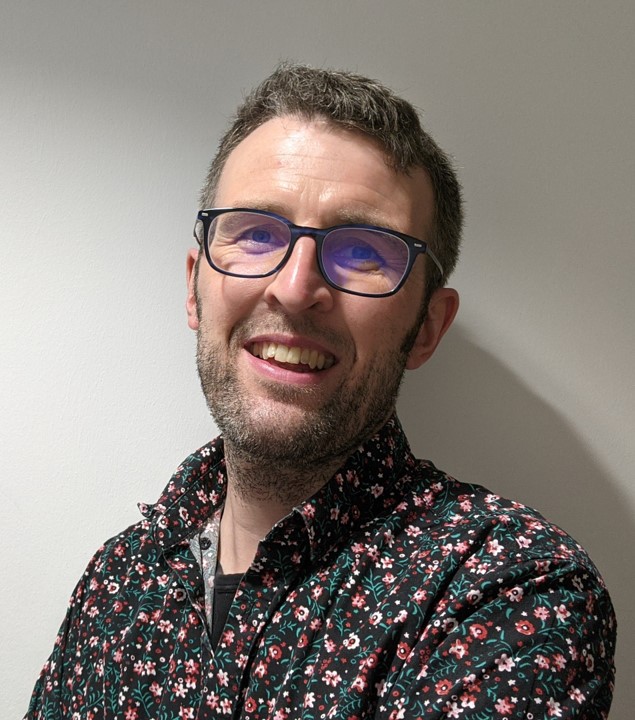
University of Strathclyde
United Kingdom
Biography:
Nicholas Rattray is Professor of Clinical Metabolism at the Strathclyde Institute of Pharmacy and Biomedical Sciences, University of Strathclyde, where he directs the Strathclyde Centre for Molecular Bioscience, a mass spectrometry centre of excellence he established in 2019. His research defines the biomolecular basis of ageing and frailty, combining advanced metabolomics, proteomics, and stable isotope tracing with AI-driven analysis of biobank-scale multiomics data. He leads an internationally recognised team translating these insights into clinical biomarkers, with samples analysed across more than 20 clinical trials and £6M in research funding secured since 2018, including a Royal Society Industry Fellowship in surgical biomarkers of frailty, the first of its kind in ageing research.
An active servant of the metabolomics community, he has served as a Director of the International Metabolomics Society since 2024, where he chairs the Education and Training Committee. In that role he leads a group of 30 international members developing the first undergraduate metabolomics curriculum, alongside society webinar and podcast series that broaden global access to training. He also chairs the Scottish Metabolomics Network and contributes to the society’s International Affiliates Task Group and scientific programme committees for conferences in Argentina and Johannesburg.
Nicholas sits on the Metabolomics journal editorial advisory board, examines and reviews internationally, and holds honorary roles at Yale and NHS Lanarkshire. He is committed to building an inclusive, globally connected, and well-trained metabolomics community, and would be privileged to continue this work on the Board.
Statement of Purpose:
I am standing for re-election to the Board of Directors to continue building the Society’s capacity to train, connect, and retain the next generation of metabolomics researchers. Over the past term I have chaired the Education and Training Committee, leading a group of 30 international members toward the first undergraduate metabolomics curriculum and the continued development of the Society’s webinar and podcast series. I want to build on this foundation.
My priority remains education and training. I propose developing modular, stackable micro-credentials and digital badges so members can evidence specific competencies, from experimental design to reproducible data analysis. I would pair these with hands-on computational workshops built around open, shareable pipelines, and with regional training hubs delivered through our International Affiliates so that access does not depend on geography or funding. Given the field’s rapid shift toward AI and multiomics integration, I would introduce dedicated data science and machine learning literacy pathways.
I also aim to continue as advisor to the Early Career Members Network. Here I want to contribute more actively by establishing further the structured cross-border mentorship scheme, extending the mentorship theme I explored in the Network’s podcast, and by creating career transition support for members moving between academia, industry, and clinical settings. I would introduce peer-review training for early career members and, importantly, build a formal channel so that the Network’s voice reaches the Board directly and consistently.
I am committed to an inclusive, globally connected, and well-trained community, and would be privileged to continue this work.
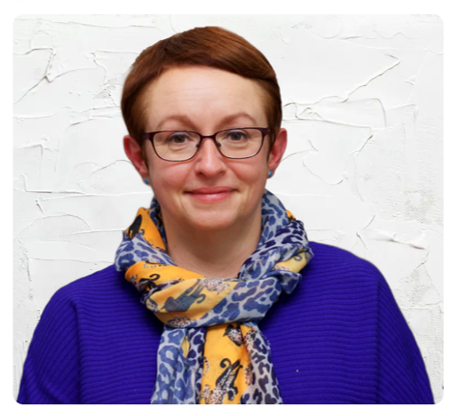
Imperial College London
United Kingdom
Biography:
I am a Reader in Clinical Mass Spectrometry in the Department of Metabolism, Digestion and Reproduction at Imperial College London. I joined Imperial in 2006 after working as a postdoctoral metabolomics researcher at the Scripps Research Institute, La Jolla, CA. Prior to that, I obtained my PhD in Clinical Biochemistry from King’s College London. At Imperial College, I became Lecturer in 2007, Senior Lecturer in 2014 and Head of the Bioanalytical Chemistry Section in 2022. I am Director of the Imperial International Phenome Training Centre, running several popular hands-on Metabolomics courses every year.
I have >25 yrs of experience in mass spectrometry and chromatographic techniques and have spent the past 20 years working in the field of mass spectrometry-based metabolomics. My research focuses on the development, optimisation and application of novel liquid chromatography – mass spectrometry (LC-MS) based methodologies for metabolomics. I aim to improve molecular assays for clinical studies, leading to deeper understanding of diseases, improved healthcare and better patient outcomes. I have applied these assays to the analysis of various biological samples, in biomedical areas including cardiovascular disease, glioblastoma, burn injury and pregnancy.
I also have a strong interest in teaching and training. I have been the Deputy Director of the MRes in Biomedical Research at Imperial College since 2018. I have mentored multiple BSc, Master’s, Doctoral students and Postdoctoral students. I have designed and delivered metabolomics courses at International Conferences (ASMS, MSACL). I am active in the International MSACL committee and am Chair of the London Metabolomics Network.
Statement of Purpose:
I am very active in the Metabolomics Community, and enthusiastic about training the next generation of researchers. I have been involved in Metabolomics training and outreach for >20 years, through the Imperial International Phenome Training Centre, the MAP-UK consortium and Industry led-workshops and seminars.
I have had the privilege of serving on the BOD for the Society the past two years, a role I very much enjoy. I am part of the MetSoc Education and Training Committee and Chair the Membership Committee. The Education and Training Committee has several new initiatives in the pipeline, to make Metabolomics training more accessible, and it has been very exciting to be part of these. The Membership Committee focuses on understanding, retaining and ultimately increasing membership; we have developed a new survey to understand what members want and how best to deliver new initiatives. We are implementing a new 5-year plan along with events for members and non-members alike.
One of my goals as Director, if re-elected, would be to continue the important work in encouraging Metabolomics ECRs. I have been part of the EMN career’s night at the annual Conference for the past 2 years and find this event rewarding. I aim to leverage my Industry connections to further sponsor travel grants for ECRs to attend conferences and encourage them to participate in activities.
As part of the Metabolomics and mass spectrometry communities for many years, I would continue to use my expertise to follow the Mission of the Metabolomics Society, e.g. promoting the field of metabolomics through national and international talks and chairing conference sessions. Through the Education and Training Committee I will continue to create new outreach activities to promote metabolomics.
If re-elected as a Director, I believe I can continue to bring enthusiasm and experience to the role and help foster new collaborations and networks within the Metabolomics Community.
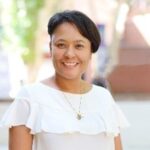
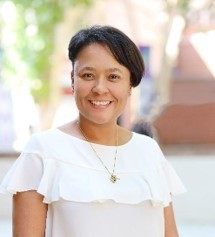
North-West University
South Africa
Biography:
Dr. Aurelia A. Williams is an Associate Professor of Biochemistry at the North-West University (NWU), South Africa, and a researcher in the Biomedical and Molecular Metabolism Research Group (BioMMet). She serves as Subject Group Leader (~HOD) of Biochemistry since 2025. Her research focuses on uncovering immunometabolic mechanisms underlying infectious and acquired diseases and developing strategies to improve health outcomes.
She earned her MSc in Biochemistry from the University of Johannesburg, PhD from the University of Pretoria and completed postdoctoral training at the University of California, San Francisco, USA. Williams is a former fellow of the Department of Higher Education and Training’s Future Professors Programme (2021–2023), an initiative that develops South Africa’s future professoriate. Over the years, Williams secured competitive research and travel funding and was named among the Mail & Guardian Top 200 Young South Africans.
She currently serves on the Board of Directors of the International Metabolomics Society, where she chairs the Conference Organizing Committee and serves on the Membership, Education and Training committees and Sustainability task team.
She is Deputy President and co-founder of Metabolomics South Africa (MSA), an affiliate organisation dedicated to promoting metabolomics research and collaboration in Africa. At MSA she chairs the Training and Conference Committee and previously served as Deputy Secretary (2018–2020).
In addition to student supervision, Dr Williams serves as a reviewer for journals, funding bodies and as examiner for higher education institutions. Her role at Aurum’s Community Advisory Board, ensures that community perspectives inform research. Through her networks, she aims to continue advancing, transforming and increasing capacity in the field.
Statement of Purpose:
It has been a privilege to serve the International Metabolomics Society (IMS), advancing metabolomics through leadership, education, capacity development, and strategic engagement. I am seeking re-election to help build an inclusive, globally connected, responsive and financially sustainable Society that supports scientific excellence and creates opportunities for researchers to contribute to and benefit from the continued growth of metabolomics.
Based at the North-West University (NWU), home to Africa’s only National Metabolomics Platform, I have worked to advance awareness of metabolomics research and education. Through my leadership in BioMMet and Metabolomics South Africa (MSA), I have led initiatives that improved access to; metabolomics expertise, advanced instrumentation, and high-quality training. I’ve built capacity through postgraduate training, workshops, mentoring, and train-the-trainer initiatives that strengthen regional expertise/ecosystems and international partnerships.
I have and continue to serve the IMS in several ways. As Chair of the IMS Conference Committee, I worked with the local organising committee to deliver Metabolomics 2026 in an underrepresented region, welcoming more than 200 first-time registrants and broadening participation. I also co-led the inaugural African Metabolomics Conference 2026, strengthening scientific exchange, collaboration, and networking across the continent. These conferences increased the visibility of metabolomics in the Global South, showcased the contributions of local researchers and fostered collaborations. In addition, I serve on the IMS Membership Committee, Financial Sustainability Task Team, and Education and Training Committee, contributing to membership growth, long-term sustainability, and the development of educational programmes and metabolomics curriculum.
If re-elected, I will focus on advancing metabolomics through education, strengthening member engagement and retention through value offerings and opportunities throughout members’ careers, expanding participation from underrepresented regions through sustainable partnerships, and increasing the global impact of metabolomics through interdisciplinary collaboration. Together, these priorities will strengthen the Society’s international reach while ensuring that excellence, diversity, and inclusion remain at its core.
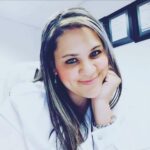
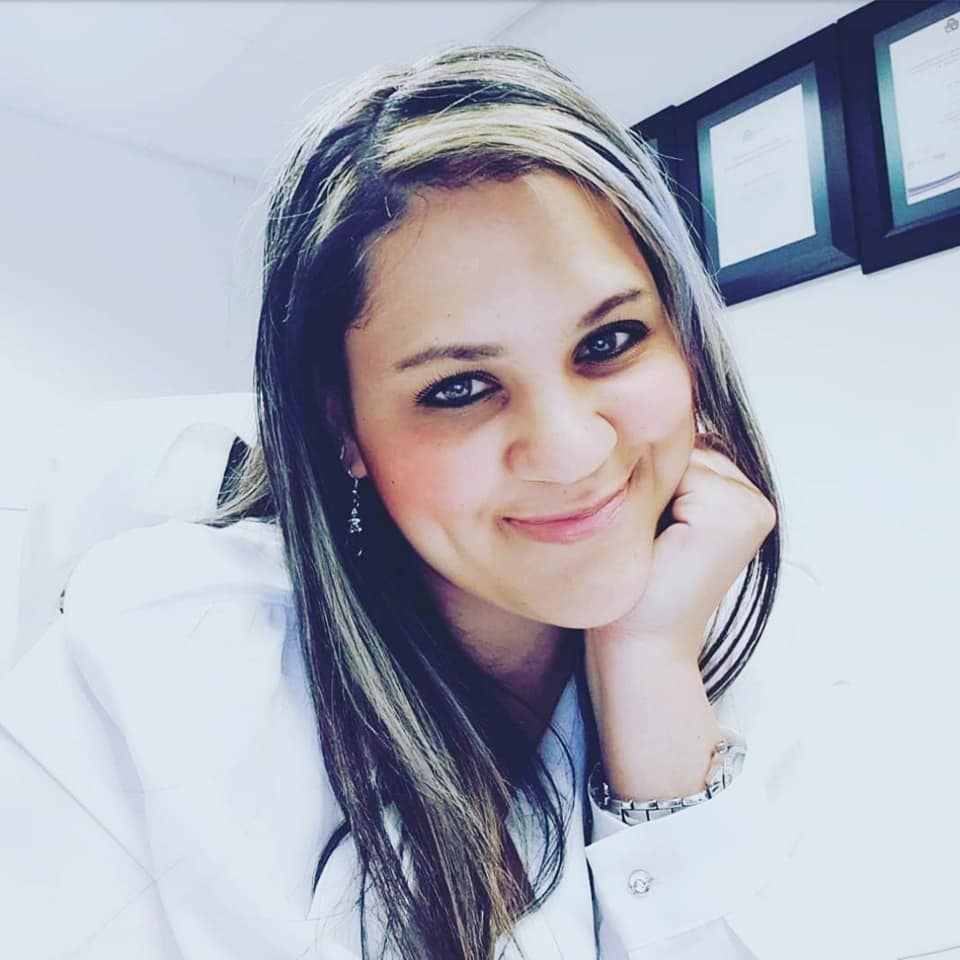
National Metabolomics Platform
South Africa
Biography:
After completing a BSc in Chemistry and Biochemistry, she began her career as an LC analyst in 2008 before progressing to manage an accredited LC and GC laboratory, where she played a key role in achieving SANAS ISO/IEC 17025 accreditation. As a SANAS Technical Signatory, she later joined a WHO pre-qualified laboratory as a Junior Subject Specialist, contributing to the optimisation of USP methods for low-level related substance analysis.
In 2013, she joined the Centre for Human Metabolomics (CHM) at North-West University as a Medical Scientist while completing her BSc Honours in Biochemistry. Following extensive training in targeted and untargeted metabolomics, she managed the Contract Research Laboratory, leading commercial and postgraduate research projects from study design to statistical analysis and publication. She also provided analytical training and co-supervision to MSc and PhD students.
An expert in GC×GC-TOFMS metabolomics, she has contributed to the standardisation of metabolomics extraction methods across multiple biological matrices and co-authored methodological book chapters. Her research excellence has been recognised through multiple faculty awards for exceptional contributions.
Since 2018, she has served as Section Head: Analytics, where she established an ISO 15189-aligned quality management system and is leading the laboratory toward accreditation. In 2026 she was invited to the SANAS panel of reviewers for the latest ISO17043:2023 standard.
Her routine work focuses on improving Newborn Screening diagnostics, supporting early detection of rare metabolic disorders, and advancing newborn screening implementation in South Africa. In 2026, she received sponsorship in advanced training of automated newborn screening in Finland.
She has published 12 peer-reviewed articles since 2018, actively reviews for Springer Nature, and is pursuing funding to strengthen newborn screening research. In Sub-Saharan Africa. With the recent approval of her laboratory as an HPCSA-accredited training facility in Biochemical Genetics, she is committed to developing the next generation of scientists while advancing research in rare disease metabolism and newborn screening.
Statement of Purpose:
My primary goal, both in my current role and as a member of the Board of Directors, is to create awareness and strengthen research collaborations by establishing sustainable national and international platforms that extend beyond annual conferences. Continuous engagement throughout the year will encourage collaboration, knowledge sharing, and help identify key themes for future conferences.
I am passionate about developing the next generation of scientists through mentorship programmes, accessible metabolomics training, and interactive online platforms where researchers can exchange expertise and seek analytical guidance. I am also committed to raising awareness of rare disease metabolomics and its vital role in targeted diagnostic applications.
Throughout my career, I have recognised that many researchers and institutions unknowingly pursue similar objectives. By improving communication and collaboration, we can unlock valuable opportunities to share resources, expertise, and diverse research cohorts, ultimately strengthening metabolomics research globally.
I have also been entrusted with organising an annual international newborn screening conference aimed at bridging cross-continental communication gaps and fostering new collaborations and knowledge transfer.
As Communications Committee Convenor for Metabolomics South Africa, I established sustainable workflows that ensured continuity despite changes in committee membership. In my role as a Diagnostic Laboratory Manager, I have over 12 years of experience designing robust quality systems, optimising workflows, and implementing risk-based processes that prioritise organisational goals over reliance on individual expertise.
I believe societies thrive when they are driven by strong systems, shared purpose, and collaboration rather than individuals. My experience, combined with my direct engagement with students, early-career scientists, and international networks, positions me to make a meaningful contribution to the Board. I would sincerely appreciate the opportunity to serve and help advance the society’s long-term vision.
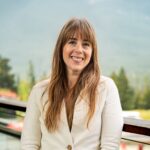
Thermo Fisher Scientific
United States
Biography:
Sr. Manager, Metabolomics Vertical Marketing from Thermo Fisher Scientific. In this role, I establish the Metabolomics vertical market strategy and lead both, the scientific applications and vertical marketing programs to help drive revenue growth in this important market segment for the LSMS business. The role includes responsibilities to expand and strengthen strategic customer and business relationships and guide product development to meet the emerging needs of Metabolomics customers. Prior to this, I came from the Commercial organization at Thermo, I was a sales representative in the Cambridge area for 9 years and has obtained a deep appreciation for customer needs across multiple applications and markets. I bring a strong background in metabolomics and Lipidomics to the organization. Prior to joining Thermo, I received my PhD at Northeastern University where I focused on hyphenated LC-MS methods, such as LC-MS-NMR and LC-MS-ECD, to exploit the biodiversity of metabolites in biological samples and facilitate small molecule characterization through a single analysis. I then trained as a post-doc and Instructor of medicine at Brigham and Women’s Hospital and Harvard Medical School where I developed non-targeted and targeted lipid profiling methods, applied to epidemiology cohorts. This work used primarily LC-MS with Orbitrap detection and provided key contributions to the emerging field of lipidomics.
Statement of Purpose:
I am excited to lend a different industrial perspective to the board of directors for the metabolomics society that will strength partnership opportunities and hopefully grow our society membership and capabilities. My goals would include providing perspective on the needs of vendors to best support the members during conferences but also throughout the year. I will also try to develop industry and vendor specific opportunities for society members to collaborate and learn from our industrial scientists. I see a great opportunity to not just bring a different point of view but also create opportunities for our early career members to gain experience.
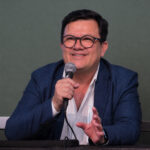
IQ-UNESP
Brazil
Biography:
I am a Professor of organic chemistry at the Institute of Chemistry of São Paulo State University (IQ-UNESP), Brazil, where I currently serve as Vice-Director. My scientific journey has been driven by a deep fascination with nature’s chemical diversity and by the conviction that metabolomics can transform the way we explore and understand it.
My research brings together natural products chemistry, NMR, mass spectrometry, molecular networking, and chemoinformatics to investigate specialized metabolites from plants and microorganisms. I also coordinate the NMR Platform at IQ-UNESP and conduct my research within NuBBE, the Center for Bioassays, Biosynthesis and Ecophysiology of Natural Products, a research group that I helped establish back in 2000.
One of the most rewarding dimensions of my work has been contributing to the growth of metabolomics in Latin America through collaborative research, scientific training, mentoring, and regional initiatives. I am a founding member of the Latin American Metabolic Profiling Society (LAMPS) and recently joined the Editorial Advisory Board of the journal Metabolomics.
Most recently, I served as Co-Chair of the Metabolomics Society’s annual meeting in Buenos Aires. This experience gave me valuable insight into the Society’s organization, global engagement, and commitment to advancing the field.
I strongly believe that science flourishes through collaboration, openness, and the creation of meaningful opportunities for the next generation of researchers.
Statement of Purpose:
My motivation for joining the Board of Directors comes from a strong desire to contribute to a community that is increasingly global, inclusive, scientifically rigorous, and connected to emerging metabolomics communities.
I’m deeply passioned in advancing metabolomics research, training, and scientific networks across Latin America. This experience has shown me the transformative power of metabolomics and the practical challenges faced by researchers where access to instrumentation, specialized training, reference resources, and international networks remains uneven.
If elected, I would work to strengthen the society’s engagement with Latin America and other underrepresented regions by fostering sustained partnerships. I would support education and training, regional scientific networks, early-career researchers, equitable access to knowledge, and the integration of NMR, mass spectrometry, computational approaches, and natural products research.
Strengthening connections among the society, its affiliates, and regional communities would also be a priority, creating new opportunities for collaborative research, mentoring, and scientific exchange while broadening participation and encouraging membership.
The Metabolomics Society has played a defining role in advancing scientific standards and nurturing a truly international community. As Fernando Pessoa, one of my favorite poets, wrote in “Mar Português,” published in 1934: “Tudo vale a pena se a alma não é pequena” (“Everything is worthwhile if the soul is not small”). The Society has consistently embodied that generous and ambitious spirit, and its collective soul is, without question, boundless!
I would be honored to bring that shared purpose, openness, and ambition to the Board, drawing on my experience as a researcher, educator, and institutional leader to strengthen the Society’s global reach while upholding its scientific excellence and collaborative spirit.
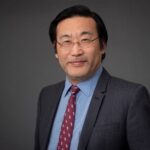
Corewell Health Research Institute
United States
Biography:
Leo Cheng earned his PhD in 1993 in solid state NMR. He started at Massachusetts General Hospital and Harvard Medical School in 1994, first as a postdoctoral fellow and then as a faculty of an Associate Professor of Radiology.
Leo discovered intact tissue high-resolution magic angle spinning (HRMAS) NMR during his postdoc and further developed NMR-based metabolomics and metabolomic imaging for human diseases.
Since 2003, he has served on numerous committees for scientific grant reviews, including more than 80 NIH study sections and twice four-year chartered memberships on NIH study sections. He has served as a member of the Editorial Advisory Board for NMR in Biomedicine since 2005 and the Co-Program Chair of the WMIC 2024 for the World Molecular Imaging Society.
Currently, he serves on multiple leading roles in metabolomics and metabolomic imaging with various international organizations, including the co-Chair of the NMR Technology Task Group and the Secretary for the Metabolomics Quality Assurance & Quality Control (mQACC); the past Chair of the NMR Interest Group, and the Founding Chair and Chair of the Spatial Metabolomics/Lipidomics Interest Group for the Metabolomics Association of North America (MANA); the Founding Chair of the Metabolomics and Metabolomic Imaging (MMI) Study Group for the International Society of Magnetic Resonance in Medicine. With ISMRM-MMI, he organized the 1st biennial Frontiers of Metabolomics and Metabolomic Imaging Workshop in 2025.
He is currently at the Corewell Health Research Institute in Michigan and establishing a new NMR metabolomics research group.
Statement of Purpose:
With my demonstrated leading roles in NMR-based metabolomics and metabolomic imaging and my dedication to metabolomics developments for human health, I committed to support our Society.
If elected, I plan to immediately start my work in the following four areas:
1). Service members of the Society.
Specifically, I will work on initiating and personally monitoring a “Talk to BOD” link on the Society website for members to connect with our Society for issues, ideas, and suggestions.
2). Increase communications with sister societies.
Specifically, using my network with sister societies including International Society of Magnetic Resonance in Medicine and World Molecular Imaging Society, I will establish active and continuous communication and dialogue channels with them, and introduce to them our collective metabolomic advancement applicable to imaging and medicine.
3). Focus on training and education.
Specifically, using my expertise on grant reviewing and my experiences in postdoc mentoring programs that I have participated in with sister societies, I will work with EMN committee in developing Workshops on grantsmanships, and support postdoc mentor program through the international affiliate task groups.
4). Enhance connections between different technologies.
Specifically, using my strong NMR metabolomics background and my experience of NMR connections with other metabolomics technologies, I will work with members from both academia and industry to establish a work group to further develop technical protocols and SOPs for harmonious utilization of metabolomics technologies to further advance our field.
To accomplish these goals, I NEED your support!
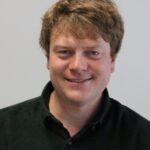
University of Turku
Finland
Biography:
Alex Dickens is a Research Council of Finland Fellow and leads the Neurometabolomics Group at Turku Bioscience Centre, University of Turku. He also heads the Turku Centre for Chemical and Molecular Analytics (CCMA) within the Department of Chemistry, and is Co-Principal Investigator and co-founder of the Turku Metabolomics Centre, alongside Matej Orešič.
He earned his DPhil from the University of Oxford in 2013, applying NMR-based metabolomics to predict brain diseases from blood samples. He then held postdoctoral positions at the Turku PET Centre, investigating novel tracers for neuroinflammation, and at Johns Hopkins School of Medicine, where he discovered a new mechanism by which the brain communicates with the periphery via extracellular vesicles and developed mass spectrometry (MS)-based lipidomic methods. He subsequently joined the Orešič group in Turku as a postdoctoral researcher and senior scientist.
His group develops advanced MS-based methods to detect a broad spectrum of metabolites, applying these to study metabolic changes following brain injury and brain development. This includes integrating MS imaging with other modalities such as PET imaging to spatially contextualise metabolic changes in the brain, with a particular focus on the endocannabinoid system as a long-range signalling mechanism between the brain and the periphery. He is also establishing a new interdisciplinary research programme at BioCity Turku spanning exposome science, systems biology and life-course health under a One Health framework.
Alex serves as Chair of the board of the Nordic Metabolomics Society and has been a member of the Metabolomics Society’s Lipidomics Task Group since its inception.
Statement of Purpose:
I am honoured to be nominated for the Board of Directors of the Metabolomics Society.
A key priority for me is to champion the International Affiliates network. As Chair of the Board of the Nordic Metabolomics Society, I have seen first-hand what affiliate membership offers a regional society, particularly for early-career members. Combined with new initiatives such as the lab exchange scheme, this network is critical to supporting new metabolomics researchers and increasing international diversity in our community. I would work to increase the number of regional affiliates and better integrate them into the Society.
Communication underpins this work. Having overseen the development of a new website for the Nordic Society, I know how much difference clear, well-maintained channels make to outreach and member engagement. This included an overhaul of the membership system, giving members control over their own information. I would bring that experience to the Website & Communications and Publication Committees, ensuring members are aware of Society news and of publishing opportunities in the new journal.
A further aim would be the fuller integration of lipidomics into the wider metabolomics community. As an active member of the Lipidomics Task Group since its inception, I have seen how far apart reporting conventions still sit, and I would work to align these standards so results are comparable and reusable across sub-disciplines.
I would also support workshops in MS imaging, a fast-growing area in which my group has recently built expertise alongside our core work applying MS-based metabolomics and high-throughput methods to large human cohorts.
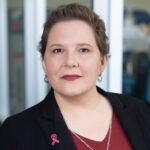
Metabolon
United States
Biography:
Dr. Evans is Head of Research and Development for discovery and targeted metabolomics and lipidomics technologies at Metabolon, Inc., where she has led innovation for more than 21 years. Under her leadership, Metabolon’s metabolomics and lipidomics platforms have become the analytical foundation for thousands of commercial, government, and academic studies conducted by more than 800 institutions worldwide since 2004.
Dr. Evans has authored more than 35 publications spanning analytical methodology, bioinformatics, data processing, quality management, and global metabolomics and lipidomics workflows, with additional focus on advancing precision medicine. Her current research is centered on expanding Metabolon’s metabolomics and lipidomics technologies, evaluating emerging analytical approaches, and enabling large-scale human cohort studies while advancing the precision, robustness, and clinical utility of metabolomics and lipidomics for individualized patient care.
In addition to her research leadership, Dr. Evans serves as the standing Chair of the Metabolomics Quality Assurance and Quality Control Consortium (mQACC), where she helps advance best practices and quality standards across the metabolomics community.
Statement of Purpose:
I am honored to be considered for Board. Throughout my career, I have been committed to advancing metabolomics through scientific innovation, collaborative leadership, and the development of technologies that strengthen our field.
As Head of Research and Development for discovery and targeted metabolomics and lipidomics technologies at Metabolon, I have spent more than 21 years leading the evolution of analytical platforms that now support thousands of studies. My work drives innovation to expand the capabilities and reach of metabolomics and lipidomics technologies while improving data quality, reproducibility, and clinical utility through advances in methodology, bioinformatics, quality management, and precision medicine.
I am invested in serving and strengthening the metabolomics community. I have been an active member of the Metabolomics Quality Assurance and Quality Control Consortium (mQACC) since its inception in 2017 and currently serve as Chair. In this role, I collaborate with leaders across the metabolomics community to develop best practices and promote harmonization that enables reliable, reproducible science. I have also engaged the community including organizing workshops at the Society Annual Conference that promote knowledge sharing, collaboration, and best practices. I have served as a mentor in the WOMIX Mentorship Program, supporting the professional growth of early-career scientists and encouraging greater engagement and leadership within the community.
If elected, I am committed to enhancing the membership experience by promoting opportunities for collaboration, professional development, and meaningful participation across all career stages and sectors. I welcome the opportunity to contribute to committees and task groups where I can have tangible impact, particularly the Industry Engagement Task Group and the Early Career Members Task Group, to strengthen partnerships across academia, industry, and government while supporting the development and success of the next generation of metabolomics scientists. I hope to contribute my experience to help the Society continue advancing our field and serving its diverse membership.
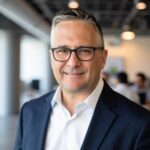
Georgia Institute of Technology
United States
Biography:
Prof. Facundo M. Fernández is a Regents’ Professor and the Vasser-Woolley Chair in Bioanalytical Chemistry at Georgia Tech’s School of Chemistry and Biochemistry. He earned his BSc/MSc and Ph.D. in Chemistry from the Universidad de Buenos Aires (1995, 1999), then completed postdoctoral work with Richard N. Zare at Stanford and Vicki Wysocki at the University of Arizona.
Internationally recognized in bioanalytical chemistry, metabolomics, and mass spectrometry, his research develops metabolomics measurement tools for small-volume samples, tissues, and single cells, with applications to cancer, cystic fibrosis, and inflammatory bowel disease. He has published 250+ peer-reviewed papers, delivered over 240 invited lectures, and supervised 35 Ph.D. and M.Sc. students. He directs the Systems Mass Spectrometry Core (SyMS-C) at the Parker H. Petit Institute for Bioengineering and Bioscience, overseeing more than 15 LC-MS systems.
His honors include the NSF CAREER Award, the CETL/BP Teaching Award, ASMS’s Ron A. Hites Best Paper and Research Awards, the ANACHEM Award, the Sigma Xi Sustained Research Award, and the Beynon Award from RCMS. In 2023, The Analytical Scientist named him among its Top 100 Most Influential People in Analytical Science. He serves on the editorial board of The Analyst and previously served as associate editor for JASMS.
Leading a team of ~15 researchers, his metabolomics work spans new ionization sources, MS imaging, machine learning for CCS prediction, and ion mobility spectrometry, supported by the NIH, NSF, NASA, IARPA, and the Department of Defense. Outside work, he enjoys camping with his family, rock climbing, kayaking, and ham radio.
Statement of Purpose:
I’ve had the opportunity to contribute to the field of metabolomics over 20 years. Whether developing innovative measurement tools, mentoring the next generation, or in leadership roles with ACS and MANA, each experience is rewarding. As I put my name forward for the President of the Metabolomics Society BOD, I am filled with responsibility and excitement.
Our field is at a crossroads. The potential of metabolomics is immense, but it also has challenges that have not been addressed. These include identifying metabolites in the “dark metabolome,” ensuring that our methods are standardized and reproducible across different labs, and ensuring the quality of the vast amounts of data we generate to extract unbiased biological and clinical insights. My lab has been exploring solutions through various approaches, like ambient mass spectrometry, mass spectrometry imaging, and machine-learning techniques. By embracing open tools and community-driven standards, we will accelerate discoveries that will make metabolomics even better.
As President, I will prioritize an environment where interoperable data is favored, data quality is ensured, and guidelines for better translating research from the lab to clinical settings are developed. I am passionate about how metabolomics is making a difference in understanding complex diseases and enhancing patient care.
I’m equally passionate about people. The future of metabolomics lies in the hands of the next generation; I’m committed to strengthening the Early-career Members Network. This includes expanding the reach of travel bursaries, enhancing mentoring programs and webinars, and creating leadership opportunities that empower ECRs, especially those from underrepresented backgrounds. Talent is widespread, but access to opportunity is not.
I am eager to engage with all of you, listen to your ideas, build consensus, and lead our Society with transparency. Together, we can promote a more rigorous, and inclusive field, advancing not just the science of metabolomics but also the incredible scientists who drive it forward.
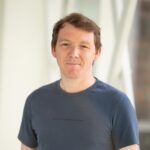
KU Leuven
Belgium
Biography:
Bart Ghesquière is Full Professor at KU Leuven (Belgium), where he leads the Laboratory of Applied Mass Spectrometry (LAMaS). He serves as Head of the VIB Metabolomics Core Leuven and leads the KU Leuven Proteomics Core, developing and implementing next-generation mass spectrometry technologies for the international research community.
His research is driven by one central question: how can new analytical technologies enable us to ask biological questions that were previously impossible to address?
His laboratory develops innovative workflows spanning quantitative metabolomics, tracer metabolomics, spatial metabolomics, proteomics, lipidomics, and integrated multi-omics. These technologies are applied across diverse biomedical fields, including cancer metabolism, organ transplantation, inherited metabolic diseases, and systems biology.
Beyond research, Bart is passionate about building scientific communities through shared infrastructure, education, and collaboration. He has established large-scale technology platforms, leads multidisciplinary collaborations, and regularly organizes international training courses and workshops to make advanced metabolomics approaches accessible to researchers worldwide.
He believes the greatest advances in metabolomics arise when technological innovation is combined with open collaboration, rigorous methodology, and interdisciplinary thinking. Through his research, leadership, and community engagement, Bart aims to help shape the next generation of metabolomics and its growing impact across biology and medicine.
Statement of Purpose:
Metabolomics is entering an exciting new era. The field is rapidly evolving beyond measuring metabolite abundances toward understanding metabolic fluxes, spatial organization, cellular heterogeneity, and the integration of metabolism with other molecular layers. I believe the Metabolomics Society should not simply follow these developments—it should help lead them.
If elected to the Board of Directors, I would work to strengthen the Society as the global home for technological innovation in metabolism research. My career has been dedicated to developing and implementing new mass spectrometry technologies, from tracer metabolomics and spatial metabolomics to high-throughput platforms and integrated multi-omics. I see enormous opportunities to bring these complementary approaches together, creating a community where metabolomics serves as a central hub connecting proteomics, lipidomics, imaging, computational biology, and clinical translation.
Equally important is ensuring that these innovations become broadly accessible. I would like to expand educational initiatives, promote hands-on training, encourage technology sharing across laboratories, and strengthen interactions between academia, industry, instrument developers, and clinical researchers. The Society is uniquely positioned to accelerate the adoption of emerging methodologies while maintaining the highest standards for robustness, reproducibility, and data quality.
Finally, I am passionate about supporting the next generation of scientists. By creating opportunities for early-career researchers, fostering international collaborations, and encouraging interdisciplinary thinking, we can ensure that our community remains innovative, inclusive, and globally connected.
I would be honored to contribute to this vision and help shape the future of the Metabolomics Society
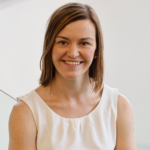
Murdoch University
Australia
Biography:
Dr Nicola Gray is a Senior Lecturer in Food Science and Nutrition and a leading researcher within the Centre for Computational and Systems Medicine at Murdoch University. With a PhD in analytical chemistry from King’s College London, her career spans academia, industry, and clinical research, unified by a commitment to advancing metabolic phenotyping for translational health impact. Her research program integrates cutting-edge LC-MS technologies to explore the biochemical interplay between genetics, environment, and lifestyle, with applications in cardiometabolic disease, maternal and women’s health, infectious disease, and environmental exposures. She has secured >AU$3 million in research funding and published 62 peer-reviewed articles, with an h-index of 25.
Nicola is deeply engaged in scientific leadership and community building. She serves as Vice-President of the Australia and New Zealand Metabolomics Society, and has served as Chair of the Females in Mass Spectrometry (FeMS+) Fundraising Committee and the Western Australian Cardiovascular Research Alliance (WACRA) Early and Mid-Career Representatives (EMCR) Committee where she sat on the WACRA Board of Directors. Her contributions to the Metabolomics Society include past service on the Early-career Members Network and participation in the international affiliates committee of the Metabolomics Society. Nicola has experience in international conference organisation, training events and workshops and as a session chair. She has supervised numerous postgraduate students and is committed to mentoring the next generation of metabolomics researchers.
Nicola’s contributions have been recognised with multiple awards, including the WACRA Research Leadership Award 2024, Murdoch University’s Vice Chancellor’s Excellence in Early Career Research Award 2023 and an ACS Rising Star in Proteomics and Metabolomics Award 2021.
Statement of Purpose:
My experience across sectors and continents positions me to contribute meaningfully to the strategic direction of the Metabolomics Society and to champion global standards, diversity, and innovation in the field.
As Vice-President of the Australian and New Zealand Metabolomics Society and former Western Australian Representative, and past Chair of the WACRA EMCR Committee, I have actively shaped regional initiatives and built collaborative networks. My leadership extends to education and mentorship, where I champion the next generation of scientists through student supervision, outreach programs, and advocacy for women in STEM. Internationally, I contribute to the metabolomics community through roles on the Phenomics Youth Editorial Board and the Metabolomics Quality Assurance and Quality Control Consortium (mQACC). I am eager to deepen my involvement in global efforts to promote rigorous standards and inclusive growth in the field.
My experience in organising scientific events includes leading professional development workshops, hands-on training courses, and conferences such as the upcoming combined Australian Lipid Meeting 7 and 5th International Lipidomics Society (ALM7-5iLS) conference, 25th International Mass Spectrometry Conference (IMSC), the inaugural AUS-oMicS 2025 multi-omics conference, the Australian Lipid Meeting 5 (ALM5), and UK-based forums including the Reid Bioanalytical Forum and London Metabolomics Network Meetings.
If nominated as a Board Member, I would be particularly enthusiastic to contribute to:
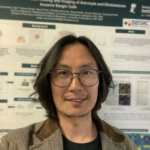
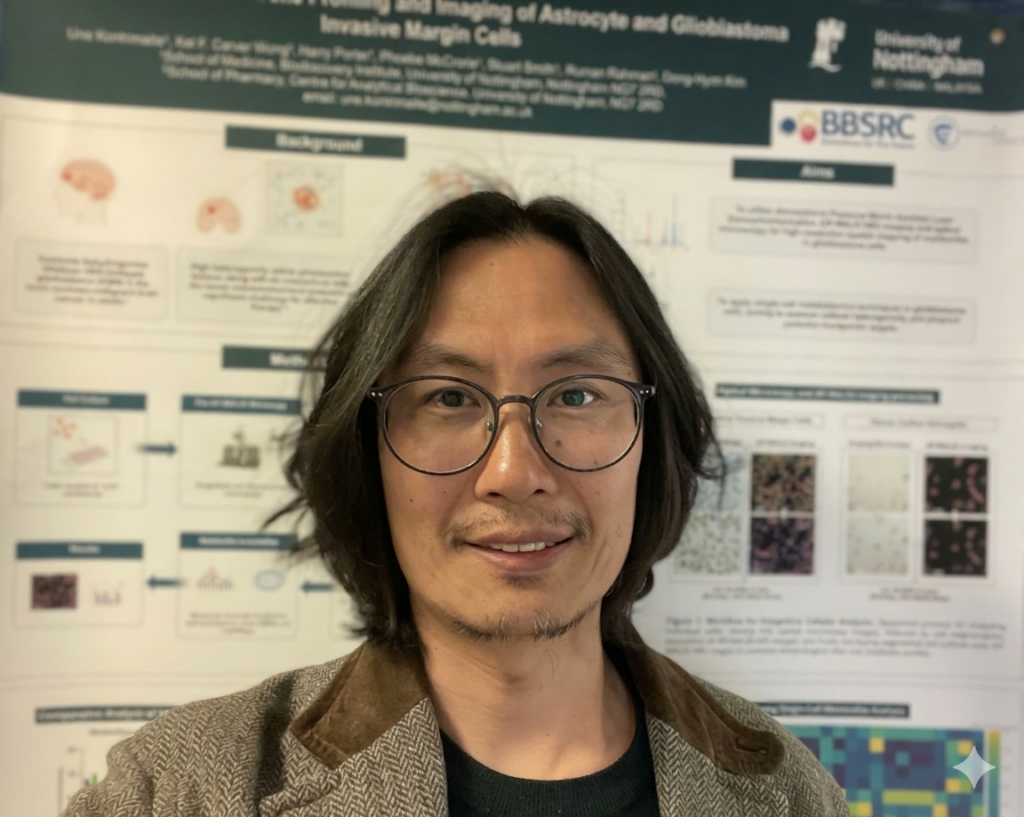
University of Nottingham
United Kingdom
Biography:
Dr Dong-Hyun Kim is an Associate Professor of Analytical Bioscience at the University of Nottingham, UK, and Director of the Centre for Analytical Bioscience (CAB) facility. His research focuses on developing and applying advanced mass spectrometry (MS) approaches for metabolomics, lipidomics, and spatial and single-cell metabolomics, with particular interests in cancer biology, host-microbe interactions and translational biomedical research.
Dr Kim leads a multidisciplinary research programme that integrates quantitative LC-MS, MS imaging and emerging single-cell technologies to investigate biological processes across multiple spatial scales. He has established extensive collaborations across academia, healthcare and industry, and currently contributes to several major research initiatives, including projects funded by the BBSRC, MRC, NIHR and Brain Tumour Research (>£15m over 3 years). A full list of publications and research grants is available here – https://orcid.org/0000-0002-3689-2130.
Beyond his research, Dr Kim has extensive experience in scientific leadership, community building and training. He has directed the CAB facility since 2013, supporting a diverse user base and promoting access to cutting-edge MS-based metabolomics. He is a co-founder and co-lead of the BMSS Single Cell Mass Spectrometry Special Interest Group, a Guest Editor for a special issue on Advances in Single Cell and Spatial Metabolomics, and serves on the Editorial Advisory Board of Metabolomics.
Dr Kim is passionate about fostering collaboration, supporting early-career researchers, and advancing emerging areas of metabolomics. He is committed to strengthening international engagement and helping ensure that the metabolomics community remains innovative, inclusive and accessible to researchers from diverse backgrounds and disciplines.
Statement of Purpose:
The Metabolomics Society has played an important role in supporting my development as a scientist, and I would be honoured to contribute to its future as a member of the Board of Directors. Throughout my career, I have combined research, technology development, facility leadership and community engagement, experiences that have given me a broad perspective on both the opportunities and challenges facing our field.
As Director of a large mass spectrometry facility and an active researcher in metabolomics, spatial metabolomics and single-cell metabolomics, I have worked closely with scientists from diverse disciplines, career stages and geographical regions. These experiences have reinforced my belief that the Society plays a critical role in connecting researchers, fostering collaboration and supporting the next generation of scientists.
If elected, one of my primary goals would be to help position the Society at the forefront of emerging technologies that are transforming biological and biomedical research. In particular, I am passionate about advancing areas such as single-cell and spatial metabolomics, and AI-enabled data analysis, while ensuring that the training, resources and community infrastructure needed to support these developments are accessible to researchers worldwide.
I would also like to strengthen opportunities for early career researchers through mentoring, networking and professional development activities, and to promote greater international engagement by encouraging participation from regions and communities.
I am committed to helping the Metabolomics Society remain an innovative, inclusive and globally connected organisation that supports scientific excellence and delivers lasting value to its members.
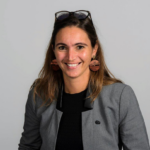
University & CHU Grenoble Alpes
France
Biography:
Dr Audrey Le Gouellec is Associate Professor of Biochemistry and a hospital practitioner at Grenoble Alpes University Hospital and Université Grenoble Alpes, France. A specialist in clinical and translational metabolomics, she is the scientific head of the GEMELI-GExiM mass spectrometry platform, which develops LC-MS/MS and high-resolution mass spectrometry approaches for biomedical research and clinical applications. Her research focuses on metabolic interactions between the host, pathogens, and the microbiota, particularly in the context of chronic respiratory infections. By combining clinical cohorts, bacterial models, metabolomics, and multi-omics strategies, her group investigates how host-derived metabolites influence bacterial adaptation, virulence, and persistence. She also seeks to translate infection-associated metabolic signatures into medical applications. Her two three-month research stays in Professor Pieter Dorrestein’s laboratory at the University of California, San Diego, reflect her strong international outlook and her interest in multicultural scientific environments. These experiences enabled her to collaborate with researchers from a wide range of nationalities, broaden her perspective through exposure to diverse scientific approaches, and reinforce her commitment to an open, collaborative, and inclusive international metabolomics community.
As President of the French-speaking Metabolomics and Fluxomics Network, she is strongly committed to education and support for early-career researchers. In 2022, she created the RFMF mentoring programme, which she designed, structured, and led for three years. She is also developing a network of host laboratories where young researchers can undertake short scientific placements, acquire new skills, and establish collaborations. As a member of the Metabolomics Society Board, she would seek to expand these initiatives internationally.
Statement of Purpose:
My main goal in joining the Board of Directors of the Metabolomics Society would be to support early-career scientists and create more opportunities for international exchange within the metabolomics community.
In 2022, I created the mentoring programme of the French-speaking Metabolomics and Fluxomics Network. I designed, organised, and led the programme for three years before handing over its coordination to colleagues who continue to promote and develop it. This experience showed me that mentoring can have a real impact on young scientists. It can help them gain confidence, develop their network, reflect on their career, and identify new opportunities. Mentoring is also valuable for mentors, as it encourages them to reflect on their own practices and to better understand how to support younger colleagues outside a direct hierarchical relationship. If elected, I would like to use this experience in close collaboration with the Early-career Members Network. My aim would be to contribute to existing EMN activities and help strengthen the development of an international mentoring programme.
I would also like to contribute to the ongoing development of a network of host laboratories where early-career members can undertake short scientific stays. These stays can allow them to learn a new method, discover another scientific environment, and initiate new collaborations. They can be particularly valuable for researchers with limited access to specific technologies or expertise.
If elected, I would work with the Board, the EMN, and the Society’s committees to develop practical actions that support young scientists and strengthen connections across the community.
The Francis Crick Institute
United Kingdom
Biography:
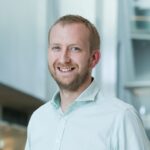
James MacRae has been Head of Metabolomics at The Francis Crick Institute in London since 2013. Here, he established The Crick’s Metabolomics Core Platform, which now runs 30,000+ samples per year across multiple mass spectrometry and NMR instruments. James has over 100 publications, covering metabolomics and lipidomics approaches in a broad range of biological and disease models (including cancer metabolism, mitochondrial dysfunction, and host-parasite interactions). He is passionate about developing tools for metabolomics research, in particular stable isotope labelling approaches.
James has been an active contributor to past Metabolomics Society meetings, leading metabolic labelling workshops on four separate occasions (including the last three conferences). Beyond this, he has organised over 75 metabolomics and mass spectrometry-focused symposia, and is a regular contributor to metabolomics training workshops both nationally and internationally – amounting to ~12,000 attendees, collectively. James was the inaugural chair of the London Metabolomics Network, which now into its 11th year provides a forum for early career metabolomics researchers to share their ideas and work, and gain insight from domain experts.
More recently, James established a UK-wide network for Metabolomics Core Platform heads, where leads of 15 national cores meet to share experiences and challenges, and discuss ways to work together, improve methodology, and quality standards. Importantly, educational opportunities, career development, and professional recognition for all platform staff and students are a key priority. He hopes to expand this idea to a global network in the coming year, and is excited about bringing these ideas to The Metabolomics Society.
Statement of Purpose:
I am standing for election because I want to address the currently unmet need for a global body that recognises the particular challenges and requirements of Research Technical Professionals (RTPs) working in core platforms across academia and industry. I want to ‘bridge the opportunity gap’ for RTPs to attend and present their work at conferences. Meetings like the MetSoc and international affiliate conferences are often out of reach for RTPs – indeed, less than 1% of attendees at the last three MetSoc conferences were RTPs; institutional funding is rarely given to RTPs, despite their foundational role in almost ALL metabolomics research and importance in continuity/retention of skills and experience. I aim to address this by exploring lower membership/conference costs for RTPs and for new RTP-specific bursaries for training and travel. I aim to provide a forum for Metabolomics RTPs to share and discuss their ideas, innovations, and challenges, and to push for a global standard of RTP recognition (particularly in publications).
I will also focus on career development for Early-career Researchers (ECRs), working with the Early-Career Metabolomics Network (EMN) and Education & Training Committee to build a catalogue of training workshops (including critical metabolomics skills, career advice, and grant-writing), along with a ‘here to help’ directory of experts to provide deeper insight into discipline-specific questions.
Nothing is more important for the future of metabolomics than providing outstanding support, career development, and training opportunities for RTPs and ECRs, and enabling them to enhance their careers. My aim is to do exactly that.
University of Venda
South Africa
Biography:
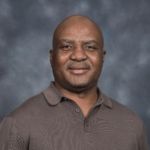
I am an Associate Professor of Biochemistry at the University of Venda and inaugural Director of the Centre of Excellence in Mass Spectrometry for Southern Africa (CEMSSA), established in November 2025. I hold a PhD in Biochemistry from the University of Johannesburg, where I investigated xenobiotic metabolism in contrasting plant cell systems.
My research explores the molecular mechanisms underlying plant chemical complexity, with particular emphasis on how environmental factors such as light influence metabolite complexity. My work on light-induced isomerization of olefinic compounds has revealed the formation of geometric isomers whose biological functions remain largely unexplored, opening new avenues for understanding environmental impacts on plant chemistry and pharmacology.
My research achievements have been recognised through several awards. I was part of South Africa’s first plant metabolomics research group to receive the ChromSA Chromatographers of the Year award. In 2019, I was recognised by the National Research Foundation as South Africa’s most promising Emerging Researcher and subsequently received a C1 rating in 2025. I have published more than 150 research articles and received Vice-Chancellor’s Awards for Research Excellence.
Through CEMSSA and my involvement with Metabolomics South Africa, including service on its Board, I have contributed to research collaboration, postgraduate training, mentorship, and analytical capacity development across Africa.
If elected to the International Metabolomics Society Board, I will champion greater African representation through regional training, mentorship, networking, and stronger engagement with emerging metabolomics communities. I hope to help build a Society that is globally representative, accessible, and responsive to the needs and potential of researchers across Africa.
Statement of Purpose:
I am a strong advocate for Pan-African scientific collaboration and has established research partnerships with universities and research institutions across the Southern African Development Community (SADC) such as in Zambia, Lesotho and Zimbabwe. These collaborations have contributed to regional capacity building and the advancement of research in metabolomics, natural products, and mass spectrometry.
As a member of the Board of Directors, I would advocate for the inclusion and active participation of underrepresented institutions across the African continent through targeted capacity-building and collaborative research initiatives. By taking advantage of existing networks and initiating new partnerships, I aim to strengthen regional scientific collaboration and create opportunities for joint research, researcher mobility, and collaborative funding.
A key focus of these efforts will be to advance the scientific investigation of African Traditional Medicine (ATM). Although ATM remains an important component of healthcare for millions of Africans, its broader acceptance is often constrained by limited scientific evidence supporting its safety, efficacy, and quality. Through collaborative research and the application of advanced analytical platforms such as mass spectrometry, these partnerships can contribute to generating robust scientific evidence that supports the validation, standardization, and responsible development of traditional medicines.
Saha Institute of Nuclear Physics
India
Biography:
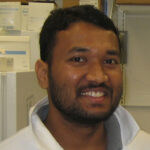
Dr. Soumen Kanti Manna is an Associate Professor in the Biophysical Sciences Division of Saha Institute of Nuclear Physics, Kolkata. Dr. Manna earned his M.Sc. in Chemistry from University of Calcutta and received his Ph.D. in Chemical Sciences from Tata Institute of Fundamental Research, Mumbai working on structure-function relationship of metalloproteins. During his postdoctoral research at National Cancer Institute, National Institute of Health, USA, he worked on identification of disease biomarkers as well as elucidation of the underlying mechanism. He joined the Saha Institute of Nuclear Physics in 2014. His lab is working on elucidation of metabolic reprogramming associated with stress response in cancer as well as on identification of metabolic changes associated with host-microbiome and gene-environment interactions in humans, animals, plants and microbes. He collaborates on multi-centric studies on identification of disease biomarkers. He has recently started working on biochemical characterization of plant and animal-based health and hygiene products used by indigenous communities. He has contributed to development of methods for lipidomic and metabolomic analysis as well as identification of novel metabolites. His work has been recognized by several patents and awards including the Ramanujan Fellowship. He is enthusiastic about promotion of metabolomics and has conducted four hands-on workshops in mass spectrometry and metabolomics in his laboratory. He also delivered educative lectures on metabolomics in conferences. He has been engaged in teaching mass spectrometry and metabolomics in educational institutes in Kolkata. In addition, he actively contributes to promotion of science education in vernacular languages in schools and colleges.
Statement of Purpose:
Metabolomics is poised to track, elucidate and predict the phenotype better than ever. However, unidentified metabolites keep casting their dark shadows. Further, robust, cost-effective and easily adoptable assays are essential to push towards personalized and ‘One Health’ solutions. They may come from materials, conjugate chemistry and/or spectroscopy. The biosensor community should become an integral part of the society. It’s high time that we endeavour to bring researchers across countries and disciplines under the umbrella of the society. This is essential to harness the existing scientific and traditional knowledge from different parts of the world together so that we march towards only translational but also transformative science.
I would like to specifically, work towards following objectives as a director.
1. Promoting 5yr, 10yr and Life Membership (for those retired or with <5yr left in tenure) schemes with discount for researchers from LMIC and retired ex-society members.
2. Creating metabolite class-wise consortium to address issues related to extraction, identification.
3. Curating vendor-neutral MRM (and chromatography) database for addressing reproducibility issues and improve adoptability to facilitate biomarker and exposome analysis.
4. Consortium on improving remote sampling-based metabolite profiling.
5. Creation of a task-force to identify, liaison and promote collaboration on alternative and cost-effective methods for sensing metabolites.
6. Promoting research to discern biochemical footprint of changes in commensal and environmental microbiome associated with urbanization, industrialization and climate change.
7. Task force to promote identification of niche compound or chemical classes associated with beneficial impact ethnic food and phytochemical ingredients leveraging traditional knowledge.
University of Oxford
United Kingdom
Biography:
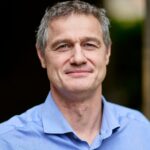
James McCullagh is Professor of Biological Chemistry at the University of Oxford, where he leads a Metabolomics Group and the Mass Spectrometry Research Facility in the Department of Chemistry. He studied at the University of Durham and University College London in the UK, worked for Waters Ltd on Q-TOF mass spectrometry, and completed his D.Phil. and post-doctoral research at the University of Oxford in biological mass spectrometry and isotope tracer studies. His research now integrates metabolomics with innovative analytical method development to investigate the fundamental chemical processes of life and how cells, tissues and biofluids interact and respond to their environment. He also has a long-term track record in education, training and strong early-career support, championing mentoring, skills training, and fellowship and funding applications. He has led the Mass Spectrometry Research Facility since 2009, was appointed Associate Professor in 2015 and Full Professor in 2020. He brings over 20 years’ experience in research leadership, facilities management, mentoring and a strong focus on collaborative science.
Statement of Purpose:
The Metabolomics Society plays an important strategic role in the development of metabolomics globally but still faces analytical, computational, and standardisation challenges. With more than 1,000 members across 40 countries, strong industry links, a growing network of affiliate organisations and a vibrant early career network, the Society is helping shape how the field develops. If elected, I will focus on three current priority areas:
1. Strengthen the Society’s financial resilience. Support diversified and sustainable income generation. Enhance reserves to self-sustainable levels whilst protecting the diverse membership, early career focus, and strong governance and geographic reach of the society.
2. Enhance industry support for the Society. Industrial partners already play a hugely important role in the Metabolomics Society and its members’ research. I will seek to build and strengthen these relationships in a fair way that ensures mutual benefits to the Society, its members and industry partners.
3. Expand strategic partnerships with other ‘omics’ communities. Develop stronger links with other omics communities by increasing cross-society interactions, linking and advancing joint standards and structuring initiatives to promote and support high-quality multi-omics research.
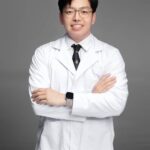
National Phenome Institute and Faculty of Medicine, Khon Kaen University
Thailand
Biography:
Dr. Jutarop Pete Phetcharaburanin is an Assistant Professor of Systems Biology at the Department of Systems Biosciences and Computational Medicine, Faculty of Medicine, Khon Kaen University, Thailand, and Director of the National Phenome Institute, Khon Kaen University. He is also Adjunct Associate Professor at the Health Futures Institute, Australian National Phenome Centre, Murdoch University, Australia, and currently serves as Acting Associate Dean for Integrative Research and Graduate Studies and Chairperson of the MSc and PhD Medical Bioinformatics for Industry Programs, Graduate School, Khon Kaen University.
He obtained his BSc (Hons) and MSc (Distinction) in Biomedical Sciences from the University of London, and his PhD in Clinical Medicine Research (Computational and Systems Medicine) from Imperial College London, supported by a Royal Thai Government Scholarship and an Imperial College STRATiGRAD Studentship. His awards include the US Molecular Medicine Fellowship, the NRCT Young Investigator Grant, the Sarah Bennett Memorial Fellowship from the Cholangiocarcinoma Foundation (one of nine awardees worldwide, 2022), Finalist for the British Council UK Alumni Award in Science and Sustainability (2022), and the Metabolomics Society L.M.I.C. Award (2024). In 2025 he was invited to become a founding member of the International Society of Phenomics.
His research applies multi-omics approaches to biomarker discovery in cancers and metabolic disorders, host–microbiota metabolic crosstalk, and plant- and bacteria-derived bioactive compounds. He co-founded the Thailand Metabolomics Society and serves on the executive boards of the Bioinformatic Academic Association of Thailand and the Thailand Metabolomics Associat.
Statement of Purpose:
If elected, I will work to make the Metabolomics Society genuinely global in both membership and opportunity. Having built a national phenomics platform in Thailand from the ground up, and as a 2024 recipient of the Society’s L.M.I.C. Award, I understand what limits participation in resource-constrained settings – instrument access, analytical cost, and distance from the community’s established centres of practice, and I believe the Society should address these systematically rather than incidentally. My goals are fourfold. First, to expand engagement across Southeast Asia and other under-represented regions through regional workshops, satellite meetings, and reciprocal training placements between established and emerging phenome centres. Second, to strengthen support for early-career researchers through structured mentorship, travel and training awards, and clearer pathways into Society task groups and committees. Third, to advance harmonisation of protocols, quality control, and data reporting, so that laboratories at very different levels of resource can contribute interoperable, reusable data to shared repositories. Fourth, to broaden the Society’s translational reach by connecting metabolomics to clinical medicine, precision nutrition, and agriculture, and by building constructive academic–industry partnerships. I will contribute actively to committees and task groups, particularly those concerned with international outreach, education, and standards, and I will bring the perspective of a member who has had to build capacity rather than inherit it. My aim is a Society whose scientific rigour is matched by its accessibility, so that excellent metabolomics can be practised, and recognised, anywhere in the world.
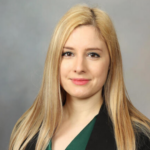
University Medical Center (UMC) Utrecht
The Netherlands
Biography:
My interest in clinical biochemistry led me to pursue doctoral and postdoctoral research (KU Leuven, Belgium; Mayo Clinic, USA), under the mentorship of both clinicians and researchers. Together, we identified novel biomarkers and treatments for metabolic disorders using metabolomics, which resulted in several high-impact publications (Cell Reports Medicine, Cell Reports, Genetics in Medicine, Hepatology, Nature Cancer) and highlighted how diverse expertise can achieve shared goals. Driven to translate metabolomics to patient-care, I pursued a career in laboratory biochemical genetics at UMC Utrecht, Netherlands, where untargeted metabolomics is integrated into routine diagnostics. Alongside diagnostics, I collaborate with researchers, bioinformaticians, and industry to advance methods and biomarker discovery for genetic metabolic disorders and pediatric cancer.
Eager to connect with the wider community, I joined Metabolomics Association of North America (MANA). I was then elected to Early-Career Members Network (EMN) committee of the Metabolomics Society (2022) and served as EMN Chair (2023-2025). We increased the EMN budget, launched career-development workshops, and piloted virtual networking events with Society affiliates (MANA, MSA), broadening opportunities for early-career researchers worldwide. Furthermore, I attended the annual conferences (2024-2026), contributed to the conference organizing committee, membership committee, and DEI task group, promoting diverse collaboration. Crucially, I learned about Society’s strategy, finances, and members’ needs.
Beyond the Society, I helped establish an early-career network for Dutch/Belgian inherited metabolic disorders community, attend YoungBMC events, and I am actively involved with Females in Mass Spectrometry (FeMS). Finally, I co-host a journal podcast that brings researchers and clinicians together to promote interdisciplinary research.
Statement of Purpose:
Having worked on implementing untargeted metabolomics in clinical settings in different countries, I understand challenges of translating clinical research into practice. This is also true for the plant, food, and environmental metabolomics communities. If elected, I will promote collaboration between researchers, industry, and regulatory stakeholders to accelerate research translation. We can create opportunities through lab-exchanges, industry visits, (virtual) networking, educational training and workshops at the annual MetSoc conference and affiliate meetings, aimed to exchange knowledge and build collaborations across disciplines and regions.
Another priority close to my heart is exploring how the Society can additionally support members throughout their careers. I have benefited first-hand from EMN’s impact in supporting early-career researchers, and will continue to support its activities. However, there are fewer opportunities for members transitioning to the next career-stage, when researchers often relocate, take on increasing leadership responsibilities, and balance family life. My own experience thought me the complexities of securing a permanent position, becoming independent, balancing research time and administration, obtaining (travel) funding, navigating cultural differences, with limited support. Building on the EMN’s success, we can develop additional career-stage-specific programs, including mentorship or coaching, and travel grants for those with caring responsibilities or limited funding.
Finally, the Society’s growth and financial sustainability depend on both attracting new members and retaining current ones. This means understanding member’s needs, creating new initiatives beyond the conference, working closer with industry partners, and reaching members in geographically underrepresented regions, which I will work towards if elected. Thank you for your consideration.
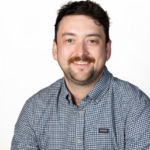
SCIEX
United Kingdom
Biography:
Tom Ruane is an Advanced Workflows Specialist at SCIEX, supporting researchers across the UK, Ireland, and Nordic regions. Over the past 11 years, he has held scientific and commercial roles at SCIEX and Phenomenex, working closely with academic, pharmaceutical, biotechnology, clinical, and government laboratories to develop and implement advanced mass spectrometry workflows for metabolomics, lipidomics, proteomics, and related LC-MS applications.
Prior to joining the analytical instrument industry, Tom developed a strong interest in analytical chemistry and chemometric techniques through research focused on applying omics approaches to food adulteration and analytical method development while undertaking a Master’s degree in Chemistry at the University of Manchester.
Beyond his professional role, Tom has been an active contributor to the London mass spectrometry community for many years. He has served on local scientific committees, including the London Biological Mass Spectrometry Discussion Group, and recently stepped down as Chair of the London Proteomics Discussion Group. Through these activities, he has helped foster collaboration and knowledge exchange across academia and industry while gaining valuable experience in scientific committee leadership and community engagement.
In recent years, Tom has become increasingly engaged with the metabolomics community, organizing educational seminars, workshops, and networking events that bring together academic researchers, industry partners, and technology providers. Through these activities, he has helped promote collaboration, knowledge sharing, and professional development in the metabolomics community.
Statement of Purpose:
I am honoured to be nominated for election to the Metabolomics Society Board of Directors and would welcome the opportunity to serve our growing global community.
Throughout my career, I have worked at the interface of academia, industry, and technology development, collaborating with researchers across a broad range of scientific disciplines. These experiences have reinforced my belief that the Metabolomics Society plays a vital role in connecting people, sharing knowledge, and advancing our field worldwide.
If elected, I would focus on three priorities.
First, supporting early-career researchers. The future of metabolomics depends on attracting, developing, and retaining talented scientists. I would advocate for initiatives that expand access to mentorship, education, networking opportunities, and professional development resources. In particular, I would like to help raise awareness of the diverse career paths available to metabolomics scientists, including opportunities in industry, technology development, scientific support, and entrepreneurship.
Second, strengthening engagement between academia and industry. Innovation is accelerated when researchers, technology developers, and applied scientists work together. I would support activities that encourage collaboration, knowledge exchange, and practical learning opportunities across sectors.
Third, expanding access to education and community-building. I would like to help the Society continue developing accessible educational and networking opportunities that support members at all career stages and from all regions.
The Metabolomics Society has built an inclusive and collaborative community that has been instrumental in advancing the field. If elected, I would listen carefully to members, represent diverse perspectives, and help ensure that the Society continues to serve as a bridge between researchers, technology developers, and industry partners across the global metabolomics community.
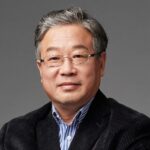
Fudan University
China
Biography:
Dr Tang is a professor in metabolomics and molecular phenomics at Fudan University, Shanghai. He earned his PhD in Chemistry from University of London studying the interactions of plant polyphenols with biopolymers using mass spectrometry and NMR. He was a Senior Scientist at BBSRC-Institute of Food Research and Imperial College focusing on the NMR-based metabonomics. He was a professor in biospectrosopy and metabonomics during 2005-2013 in Chinese Academy of Sciences and then a Distinguished Professor at Fudan University from 2014. He has been (1) developing new quantitative metabolomics methods with high sensitivity, coverage, throughput and long-term stability, (2) applying such tools to reveal the population metabolomic phenotypic mechanisms for the metabolic dysfunction-associated diseases, and (3) investigating the host-microbiota symbiosis interactions for health and diseases. He published >220 peer-reviewed metabolism-related publications in Nature, Nat Cancer, Nat Aging, Nat Microbiol, Cell Rep Med, Immunity, Mol Cell, PNAS, EMBO J, J Am Chem Soc etc and received a prestigious National Award for Outstanding Young Scholars in China in 2008. He contributed numerous lectures for the Metabolomics Society Conferences including two Plenary Lectures in 2017 (as stand-in) and 2026 as well as for Experimental NMR Conference (ENC), APNMR and ICMRBS. He was elected as Fellow of the Royal Society of Chemistry in 2005, Executive Committee Member of ENC (2017-2023), and President of the Metabolomics Society of China (2018-2025) as one of its founders. He is now the Honorary President from 2025 and editorial board members (or Associated Editors) for numerous scientific journals including Metabolomics.
Statement of Purpose:
As a Director, I will contribute to the activities to promote metabolomics science itself hence the growth of our metabolomics community, communications with other scientific fields and ultimately the global impacts of metabolomics. I will make special efforts to enhance interactions between the Metabolomic Society and the Metabolomics Society of China. One of my special goals is to make the Metabolomics Society of China as an affiliate of the Metabolomics Society. Specifically, I will seek to host the Metabolomics Society Conference in China again (as our planned in 2020) so that the rapidly expanding metabolomics community in China will have closer interactions with our worldwide colleagues; I will also work to bring a big Chinese delegation for Metabolomics2027. My efforts and commitments will also be made in organizing the annual meeting especially some workshops on quantitative metabolomics and quantitative structure-property relationships in metabolomics. With my 20-year experiences in mentoring junior colleagues, I would be happy to join some Committees such as Early-Career Members Network (EMN) Committee for mentoring and professional development. I would also join some task groups such as Metabolite Identification Task Group and other task forces to promote best practices, data sharing, and harmonisation for quantitative metabolomics especially the NMR-based metabolomics. My career goals include (1) developing sensitive and high-throughput quantitative metabolomics technologies for large cohort studies such as the population-based molecular phenomics and epidemiology, (2) translating such tools and discoveries into testing for health management and care, and (3) training as many qualified newcomers as possible for future metabolomics.